
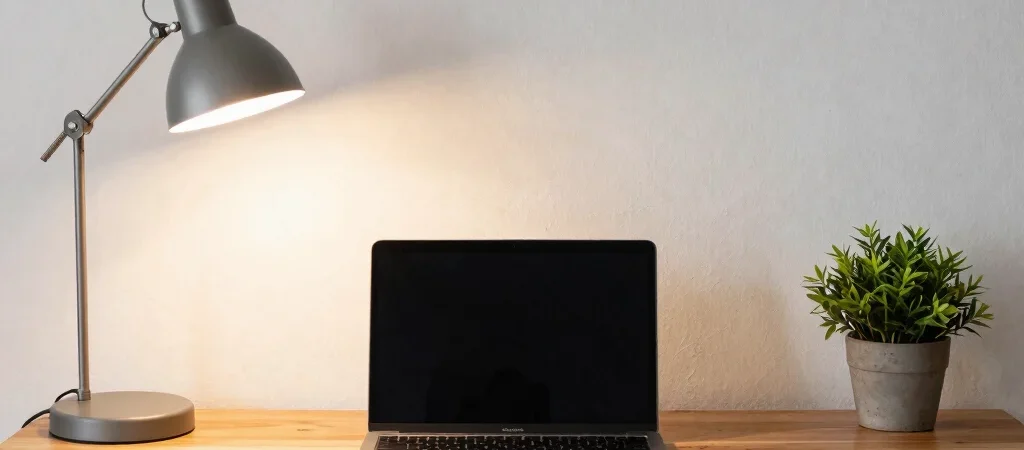
While remote work grants unprecedented flexibility, maintaining prolonged cognitive focus within residential environments presents subtle daily challenges. Visual clutter, improper lighting, and unstructured digital notifications quietly erode attention spans over the course of a workday. Creating a high-performance home office requires treating the workspace as a specialized environment designed for clarity.
Eliminating Visual Distractions in Home Offices
The human brain continuously scans its peripheral vision for movement and detail, consuming subconscious energy. Streamlining the physical desk surface to contain only essential tools drastically lowers visual fatigue throughout long research sessions. Hidden cable management, neutral wall tones, and enclosed storage cabinets help establish a baseline of calm that supports prolonged analytical thinking.
Managing Digital Signal Noise Across Workflows
Environmental clarity means very little if digital channels generate constant interruption. High-output professionals rely on strict notification boundaries, scheduling dedicated windows for communication while reserving core hours for deep strategic work. Turning off non-essential desktop badges and utilizing dedicated focus modes prevents context switching, allowing complex projects to move forward with fewer errors.
Establishing Rhythms for Sustained Cognitive Energy
Cognitive stamina depends heavily on natural light exposure and movement intervals throughout the afternoon. Positioning workspaces perpendicular to natural windows provides balanced illumination without screen glare, supporting healthy circadian rhythms. Pair physical workspace adjustments with brief screen-free recovery breaks to maintain sharp decision-making from morning until the end of the workday.