
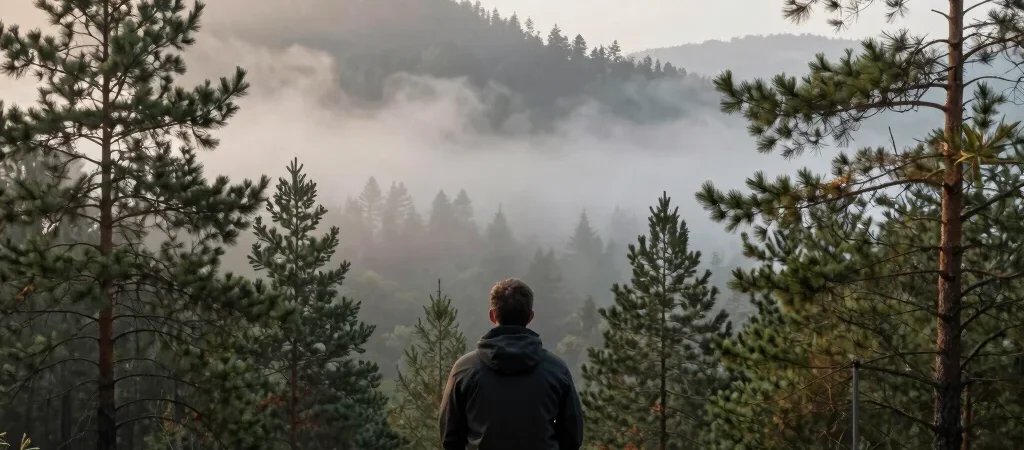
For decades, vacation planning prioritized high-density itineraries, packed sightseeing schedules, and bustling resort cities. Today, a growing segment of travelers is consciously rejecting hyper-connected tourism in favor of solitude, dark-sky reserves, and remote cabin stays designed around rest. This shift toward quiet travel reflects a deeper cultural desire to disconnect from digital noise and experience environments where silence is the primary feature.
The Shift Toward Intentional Destination Choices
The choice of destination is evolving from famous landmarks to locations offering stillness and natural beauty. Rural coastlines, high-altitude mountain valleys, and off-grid timber cabins are replacing traditional urban hubs on seasonal travel lists. Travelers are choosing to stay in one place for longer durations, allowing them to absorb local rhythms rather than rushing between attractions.
Designing Schedules Around Stillness Over Sightseeing
A quiet travel itinerary removes the pressure to perform or document every moment. Instead of waking up to alarms for guided group tours, visitors structure their days around unhurried meals, morning walks, and uninterrupted reading hours. Hospitality providers are responding by eliminating unnecessary ambient noise, replacing loud communal dining areas with private nooks, and curating minimalist spaces built with natural acoustic materials.
Practical Ways to Plan Low-Noise Retreats
Planning a silent getaway begins with choosing destinations during shoulder seasons when foot traffic drops significantly. Opting for accommodations without television screens or aggressive notification systems encourages genuine mental rest. By treating travel as a period of restoration rather than sensory overload, travelers return home with sustained energy and restored focus.